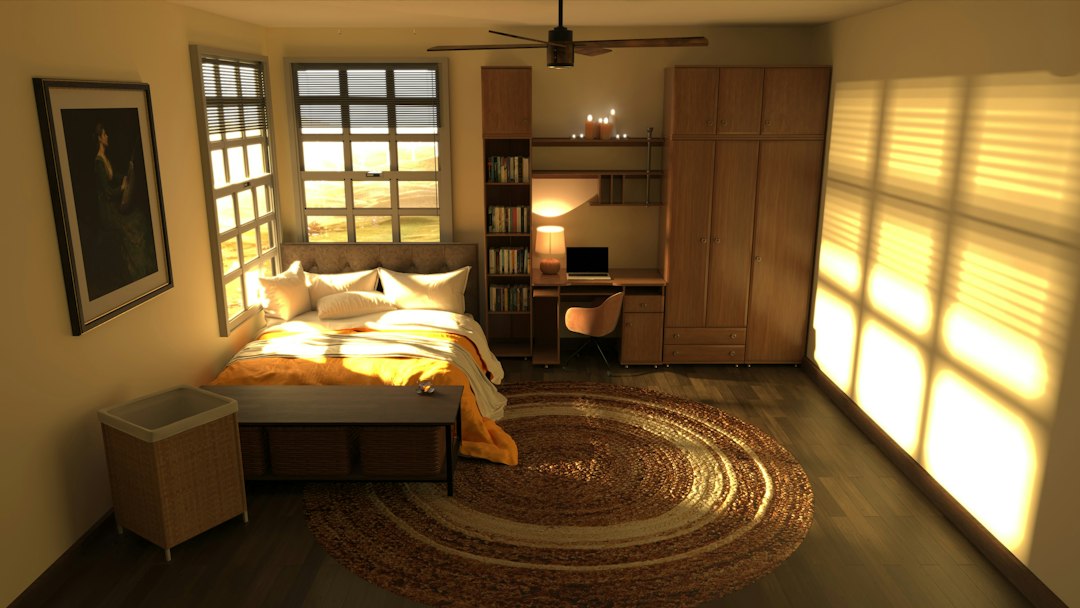
The art of slow living is not about doing less for the sake of less; it is about doing the right things more fully. If you have ever felt like your days blur together despite your best intentions to make art, share a meal, or simply be present, this guide offers a practical, creative path back to attention. We will translate warm ideals into concrete practices you can set up at home, try this week, and sustain across months without perfectionism, guilt, or expensive overhauls.
What slow living really means (and what it doesn’t)
Slow living often gets misunderstood as pushing life into a quiet corner and keeping it there. In reality, it is a design choice for time, attention, and materials. It means aligning pace with purpose, so your daily actions match what you actually care about. That could be small-batch cooking instead of takeout, one hour of focused sketching rather than a night of fragmented scrolling, or a five-minute tea ritual that signals it is time to write or paint. Slowness, in this sense, is a framework for depth.
It is not a retreat from modern life, a refusal to use technology, or a judgment on speed. Sometimes speed is appropriate; sometimes it wastes energy. Slow living simply asks: what am I trading away when I rush, and is that trade worth it? If the answer is no, you shift your system so attention goes where it belongs. You can still move quickly when needed; the point is that the pace fits the work and the moment rather than the other way around.
Three anchors help keep a slow orientation honest:
- Intentional constraints: one project at a time, one hour of screen-free making, or a budget for tools that favors quality over novelty.
- Sensory clarity: fewer inputs in your space—warm light, tactile materials, quiet surfaces—so your senses are not overwhelmed.
- Ritualized cues: repeatable, small actions (lighting a candle, sharpening pencils, boiling a kettle) that tell your body and brain: this is the moment to focus.
Slow living shines when it surfaces your real preferences. If your work demands bursts of speed, you design buffers around those bursts to recover attention. If your family life is lively and loud, you build small silent pockets rather than hoping for hours of uninterrupted quiet. The approach is adaptive, not doctrinaire: tune the settings of your days to reduce friction and increase meaning.
Practicing the art of slow living at home
To put the art of slow living into motion, begin where you are. You do not need to move, renovate, or buy a new table. Start by identifying a modest corner that can host your most important daily rhythm: journaling, sketching, stitching, practicing an instrument, or preparing food. A simple folding screen, a low shelf, or a small rug can define a boundary as effectively as a wall—your attention responds to cues.
Work with what already exists. If your kitchen table doubles as a studio, create a grab-and-go caddy: pencils, sharpener, eraser, sketchbook, tape, a small box for scraps. If your living room is the only option, claim a basket for your tools so set-up time is under sixty seconds. Slowness gains momentum when the threshold to begin is low. When starting requires fewer steps, you start more often.
Make the corner personal but not busy. Choose one or two objects that feel grounding: a smooth stone, a postcard that makes you smile, a plant you actually like to care for. Add warm, indirect light. Position a chair or cushion so your back is supported. Finally, decide on one default posture: sitting upright to write; standing to cut paper; kneeling to knit. When posture is chosen in advance, your body knows the role it plays, and your mind needs fewer reminders to start.
Try a two-tier kit approach. Keep a tiny everyday kit (notebook, two pencils, eraser, glue stick) and a deeper kit for extended sessions (brushes, inks, specialty papers). The small kit lives where you can reach it without thinking. The deep kit lives on a cart or in a drawer. This arrangement reduces decision fatigue: you pick the kit that fits the time you have, not the time you wish you had.
Designing a slow studio or corner
Whether your space is a desk, a rolling cart, or half a wall, a slow studio thrives on clarity and reach. If you can see the tools you need, you will use them. If you have to dig, you will postpone. Use vertical surfaces (pegboard, adhesive hooks, magnetic strips) to keep essentials visible. Use shallow trays to separate projects in progress—one tray, one project.
Space recipe (adjust to your craft):
- Anchor: a sturdy surface that welcomes use and patina, not a precious object that begs to stay pristine.
- Light: a warm lamp angled to the side of your dominant hand to reduce shadows on your work.
- Tools: a minimum viable kit within arm’s reach; duplicates stored elsewhere.
- Containment: two to three trays for parts, off-cuts, or sketches—enough to keep momentum, not enough to hide clutter.
- Comfort: seating or floor support that makes a one-hour session feel inviting.
Label lightly. Use masking tape and a pen on boxes and jars: brushes, charcoal, glue, thread. Labels reduce micro-decisions and make it easier to clean up in under five minutes. Once a week, return to a simple reset. The reset is not deep cleaning; it is returning tools to where hands expect them next time. A consistent reset rhythm helps avoid the discouraging moment when a creative surface is too crowded to use.
Small-space strategies: if your studio is a shelf, pick stackable, shallow boxes and one vertical organizer for current pages. If you share a table with family, use a foldable oilcloth or large cutting mat to define your work zone; when the mat comes out, it is studio time. If you are noise-sensitive and walls are thin, over-ear headphones with a consistent playlist create a pocket of calm without changing the room.
Decluttering inside the studio:
- Stage, don’t sort: remove everything from one drawer or shelf, stage on a towel, then put back only what you will use this season.
- Two-questions test: do I use this? do I love it? If the answer is no twice, let it go to a friend, school, or shelter.
- Halfway house: a lidded box for “unsure” items that lives in a closet for 30 days. If you do not open it, donate the sealed box.
- Exit path: keep a donation bag by the door so items leave within a week, not months.
None of this aims at museum-level order. The goal is a friction-aware studio—a place where you can start quickly, continue without hunting for tools, and stop without dread. When the studio supports attention, you spend more time making and less time negotiating with stuff.
Architecting time: rhythms, seasons, and Sabbath hours
Slow living gets real when it shows up on the calendar. Instead of blocking entire days, design a few reliable anchors:
- Daily anchor: a 45–60 minute focused creative block. Make it the same time each weekday if possible (morning tea + sketching; lunch break + guitar; late evening + writing). Treat it like a standing appointment.
- Weekly anchor: a two-hour session for setup or deeper work: carving a block, editing drafts, cutting fabric, prepping ingredients for slow cooking.
- Seasonal anchor: a light shift every 90 days. For example, winter might emphasize reading and handwork; spring could lean into urban sketching or photography walks.
Many people find a weekly “Sabbath hour” helpful: the phones are out of sight, notifications off, and the home quiets. Use that hour to do nothing productive in the conventional sense—look out a window, sort paper scraps, sand a piece of wood, hum. This gentle buffer keeps the rest of the week from feeling like a straight line. When you return to a task or practice, you arrive with a calmer grip.
Time architecture checklist:
- Decide a default time for creative work—even if it is only 20 minutes.
- Pair the daily anchor with a sensory cue (tea aroma, specific lamp, one song).
- Pair the weekly anchor with logistics (sharpen blades, refill inks, wash brushes).
- Assign a seasonal theme to reduce decision fatigue (e.g., “spring = walks + watercolor”).
- Publish your anchors to the people you live with so expectations are clear.
If your schedule shifts every week, use a moving window: on Sunday night, look ahead and mark your two best hour-long slots. Text yourself a simple message with the dates. Treat those windows as if you agreed to meet someone. That someone happens to be your future work.
Rituals that open the creative gate
Rituals are the small doors through which big work enters. The key is repetition, not grandeur. Choose one short beginning and one short ending for your daily anchor. For example:
- Begin: boil water, pour tea into a wide mug, place it to your left; open your sketchbook; write the date; draw one blind contour line.
- End: close the sketchbook; return tools to the tray; write a single-sentence note on a sticky: “tomorrow: sky washes first.”
Small gates like these lower friction. They also reduce the fear that often hides under procrastination: “what if this is bad?” The ritual answers: we will start small and see. Over time, these tiny beginnings accumulate into a personal language of making. If you cook, perhaps you always start by rinsing a handful of herbs and smelling them. If you write, maybe you copy one sentence from a favorite author to warm your hand.
Keep rituals portable. If you travel or work in shared spaces, pack a micro-kit: a pocket notebook, two pencils, an eraser, a glue stick. Knowing that your ritual can come with you keeps the habit intact. If you forget your kit, write a sentence on a receipt, or sketch in the margin of a brochure. The message to yourself is: we still show up, even in miniature.
Ritual troubleshooting: if a ritual grows stale, either shorten it by half or add a sensory element (swap tea for orange peel; light a cedar chip). If you skip days, do not restart with a grand plan; restart with a five-minute session and a single stroke. If you find yourself avoiding your studio, move the first step to a different room: cut paper at the kitchen counter, then carry it in. A ritual is a door, not a test.
Sensory editing: light, scent, texture, and sound
Our nervous systems notice the environment before our thoughts do. Slow living pays attention to four sensory channels and edits them gently to reduce noise and invite focus.
Light
Favor warm, indirect light. If you have bright overheads, switch them off during your anchor hour and use a table lamp with a fabric shade. Place the light to the side of your dominant hand to avoid casting shadows on your work. Morning light through a sheer curtain can be a cue as strong as an alarm. If you work at night, choose a warm bulb and a narrow pool of light; let the rest of the room recede.
Scent
Choose scents with restraint. One candle or a few drops of essential oil on a ceramic stone is plenty. Avoid strong blends; a single-note scent (cedar, orange, lavender) pairs better with creative attention. The point is not to create a store-like atmosphere, but a small olfactory signal: now we are here.
Texture
Texture grounds the hands: linen towels, uncoated paper, wooden spoons, wool blankets. Keep one or two textural items near your studio corner. Touch is a quiet stabilizer; a palm on wood can help you arrive faster than a complicated routine. If you sew or knit, choose a simple, satisfying texture project for your warm-up: a swatch, a hem, a row.
Sound
Notice whether you focus better in quiet or with a low hum. A simple playlist of long tracks, rain sounds, or a mechanical pencil on paper may be enough. If your space is noisy, try soft earplugs or over-ear headphones; they signal that attention is precious and protected. Place your phone’s volume toggle on a small sticker or tape strip to make silencing tactile and fast.
Sensory check-in: once a month, sit quietly in your studio for three minutes. Note one small change that would reduce distraction and one small change that would spark joy. Apply those, then stop. Sensory editing is light-touch and iterative.
Digital boundaries that respect attention
Slow living is not anti-technology; it is pro-boundary. The goal is a truce between your tools and your intentions. Here is a simple protocol you can test this week:
- One-screen rule: during your creative hour, keep only the necessary device in front of you. If you draw analog, the laptop stays closed. If you write digitally, the phone leaves the room.
- Notification hygiene: turn off nonessential alerts. Keep two or three signals (calendar, messages from family, calls) and silence the rest.
- Single-tab writing: if you write on a computer, use a distraction-free editor and open only one tab. Park research questions in a running note to check later.
- Bounded social time: pick a window (say, 20 minutes in the afternoon) to check feeds, reply, and archive. Outside that window, apps stay closed.
Boundary techniques by friction level:
- Low friction: enable focus modes, mute group chats, remove red badges.
- Medium friction: move distracting apps off your home screen; keep them in a folder on the last page.
- High friction: uninstall and use web versions only; require a password manager to sign in so impulse access slows down.
Technology is a tool we can tune. By reducing interruptions, you create space for the deep focus required for drawing, stitching, composing, cooking, carving, or any craft that asks for your full presence.
Materials and consumption: choose well, use fully
The slow studio values stewardship over impulse. This does not mean buying fancy supplies; it means adopting a cadence of acquisition and use that honors resources and your own energy.
Guidelines:
- One-in, one-through: when you buy a new tool or material, finish or donate a similar item. This keeps shelves clear and projects in rotation.
- Favorites list: keep a short list of materials that always feel good in your hands: a cartridge paper that takes water well, a thread weight that glides, a knife that sharpens reliably. Restock those instead of chasing novelty.
- Repair station: dedicate a tray to dull blades, bent needles, cracked handles, or loose hinges. A monthly half-hour of repairs returns value to your kit.
- Scrap rituals: store off-cuts, end bits of yarn, or painted papers in a shallow box. Collage day comes when the box is full. This turns leftovers into future work.
Budget-friendly sourcing: shop secondhand for core tools (rulers, cutting mats, jars, trays); buy paper and fabric in packs rather than singles; swap materials with friends; borrow specialty tools to try before you invest. Many studios thrive on humble, well-loved tools: a pencil that sits well in hand beats a dozen that do not.
Consider a seasonal palette—a limited set of colors or materials for a quarter. Constraints can be friendly; they lower decision fatigue and deepen your exploration of what is already within reach. If you work in wood, choose one species for a season and learn how it sands, stains, and joins. If you paint, pick three pigments and learn their mixes intimately. You will notice more, and your work will gain cohesion.
Kitchen as studio: slow food that fits real weeks
Cooking can be another studio, especially if you think of it as applied creativity. The goal is not elaborate meals but cozy reliability—dishes that welcome improvisation and carry you through the week.
Simple formats that flex:
- Brothy bowls: simmer onions and garlic, add water or stock, toss in sturdy greens, beans, and a handful of noodles or grains. Finish with herbs and a squeeze of citrus.
- Roast and assemble: roast a tray of vegetables with olive oil and salt; pair with eggs, lentils, or fish; serve with yogurt and herbs. The tray can become lunch boxes for two days.
- Big salad kits: wash and dry leaves, pack crunchy add-ins (toasted seeds, carrots), and keep a small jar of dressing ready. Add a protein when you eat.
- Weeknight dough: mix flour, water, salt, and a pinch of yeast in the morning; bake flatbreads or rolls at dinner. Warm bread transforms simple ingredients.
Make the table inviting. Set a cloth even when you eat alone; use a real bowl and a cup you like. This adds ceremony without effort and reminds your senses that meals are part of art-making—fuel for attention and joy. If time is thin, pair food prep with a ritual song; when the song ends, you eat, even if the dish is simple. The consistency matters more than complexity.
Leftover strategy: think in pairs. If you roast sweet potatoes today, mash leftovers with stock tomorrow for a quick soup. If you cook beans, blend a portion into a dip for snacks. Small transformations reduce waste and decision load.
Walking and wandering: movement that opens the eye
Walking is the most democratic studio. It costs little, requires minimal gear, and trains your seeing. Slowness on foot leaves room for noticing lines, shadows, textures, and stories. A twenty-minute daily loop can feed a week of sketchbook pages.
Try three formats:
- Compass walk: pick a direction and follow it for ten minutes; return by a different street. Capture three colors you meet along the way in your notebook.
- Micro-quest: choose a tiny theme for one week (blue doors, letterforms, ironwork, clouds). Photograph or sketch only that. The constraint sharpens attention.
- Errand drift: if you must go somewhere, add five minutes to turn left once or twice more than usual. Look up—cornices, signage, nests, laundry lines.
Back at home, translate what you gathered into marks: a page of hatching for brick; a wash for the sky you saw; a collage that captures the rhythm of a fence. Walking feeds making; making teaches you to walk with open eyes. If mobility is limited, try a window sit: look for rhythms in light across the day, catalog passing colors, draw the same tree each morning for a week.
People and place: community, hosting, and gifting
While slowness is personal, it becomes resilient in company. Consider small gatherings that fit your home and energy:
- Make-and-share night: invite two friends to bring work-in-progress. Everyone makes quietly for forty minutes, then shows one thing without critique unless requested.
- Soup club: rotate a monthly soup between households. The host makes a big pot; others bring bread, herbs, or fruit. Keep it simple; the point is consistency.
- Skill swap: trade small lessons—whittling a spoon, binding a zine, mending denim—over tea on a weekend morning.
Gifts reinforce slowness when they are made from your scraps and time: a stitched card, a tiny charcoal sketch, a jar of preserved lemons, a playlist that scores a friend’s morning. The currency is care, not perfection. Hosting does not require spotless rooms; clear a table corner, light a candle, name a start and end time, and enjoy the version of togetherness that fits your season.
If in-person gatherings are hard to arrange, try asynchronous connection. Start a postcard circle for one month; each week, send a card with one sentence about what you noticed. Or host a shared album for your walking micro-quests. Community grows from small invitations that people can accept without strain.
Maintenance and troubleshooting in busy seasons
Life will speed up at times—deadlines, caregiving, travel. Slowness survives these stretches when you lower the bar but keep the anchors. Think of maintenance as a gentle mesh that holds your practice in place until your hands are free again.
Minimal viable practice (MVP) kit
- Time: five minutes counts; take it seriously.
- Tools: one pencil, one pen, one notebook, one roll of tape.
- Ritual: one deep breath; one sip of water; one date in the margin.
- Finish: pack the kit and put it where tomorrow’s you will find it.
When the busy stretch passes, gently expand again. Add back longer sessions, a walk loop, a soup night. Because you kept the thread, you will not need to start from zero. If the thread slips entirely for a week (or a month), the re-entry step is small by design: five minutes, one mark, done.
Gentle metrics and friction logs
Metrics help sustain slow living when they support curiosity, not judgment. Instead of counting hours to prove worth, track what feeds you so you can do more of it. Choose one or two that are easy to mark and gratifying to review:
- Streak map: draw a calendar grid for the month; color a square each day you show up for your practice (five minutes counts).
- Page count: note how many sketchbook pages or journal entries you fill; avoid obsessing over word counts unless your work requires them.
- Walk log: list routes, colors, and textures; let miles be incidental.
- Meal notes: jot what you cooked on a card and clip it inside a cupboard; repeat the hits.
Pair metrics with a simple friction log. When a session stalls, scribble what blocked it: “couldn’t find the good brush,” “chair wobbles,” “chilly hands.” Address one friction per week. A loose hinge or missing eraser can cost more creative energy than you think; small fixes restore momentum.
Decluttering as maintenance
Clutter resists slow living not because it is ugly but because it adds steps you did not plan. Treat decluttering as seasonal maintenance rather than a heroic event. Pick one surface each week and apply the stage-and-return method. Keep a small basket labelled “away” in your studio; when it fills, empty it. Swap “Someday” items for “This Season” items so tools match your actual work, not aspirational work that stays theoretical for another year.
A 14‑day starter plan
Use this small plan to shift from idea to living practice. Adjust times and crafts freely:
- Day 1 (Setup): choose and clear a corner; add one lamp; pack a micro-kit; label two trays.
- Day 2 (Ritual): choose your begin/end cues; test them for 30 minutes.
- Day 3 (Digital): turn off three categories of notifications; move the phone out of your anchor hour.
- Day 4 (Studio): stock your favorites list; fix two broken tools; set up a scrap box.
- Day 5 (Food): make a brothy bowl; pack leftovers; set a cloth for dinner.
- Day 6 (Walk): do a compass walk; collect three colors; translate them into a page of marks.
- Day 7 (Sabbath hour): hide screens; look out a window; do nothing useful; breathe.
- Day 8 (Seasonal palette): pick three colors or one material to focus on for the next 90 days.
- Day 9 (Time audit): note when your energy peaks; align your daily anchor with that window.
- Day 10 (Community): invite one person to a make-and-share night or start a postcard circle.
- Day 11 (Kitchen loop): roast a tray of vegetables; plan tomorrow’s transformation.
- Day 12 (Friction fix): tighten one loose hinge; replace one dull blade; add felt pads to the chair.
- Day 13 (Review): color your streak map; circle one moment that felt alive; schedule two anchors for next week.
- Day 14 (Gratitude page): write or draw three tiny scenes you noticed this week. Keep the page visible.
When life is complex
Caregiving, health challenges, and economic strain can narrow your choices. Slow living remains available because it scales. If energy is low, reduce the practice to the smallest possible loop: one minute of breath by the window; one line in the margin; one cup of soup; one photo of the sky. Small loops still build identity: the person who marks a tiny square each day is the person who keeps a promise to themselves.
Resource lane: for ongoing inspiration and practical ideas that blend art and daily life, explore the Art & Life archive on Art Havens. You will find stories, space tours, maker interviews, and project prompts that pair well with the habits in this guide.
Slowness is not a look; it is a relationship with attention. You can practice it in a tiny apartment or a large house, with thrifted tools or heirloom ones, alone or with a circle. You can practice it when money is tight and when time is thinner than you want. What matters is the cadence you choose and the way you care for it. If all you do after reading this guide is set a lamp in a corner, sharpen two pencils, clear a tray, and mark a twenty-minute block on the calendar, you have already begun. Over weeks, the corner becomes a studio; the studio becomes a rhythm; the rhythm becomes a way of seeing. That is the art in the art of slow living.