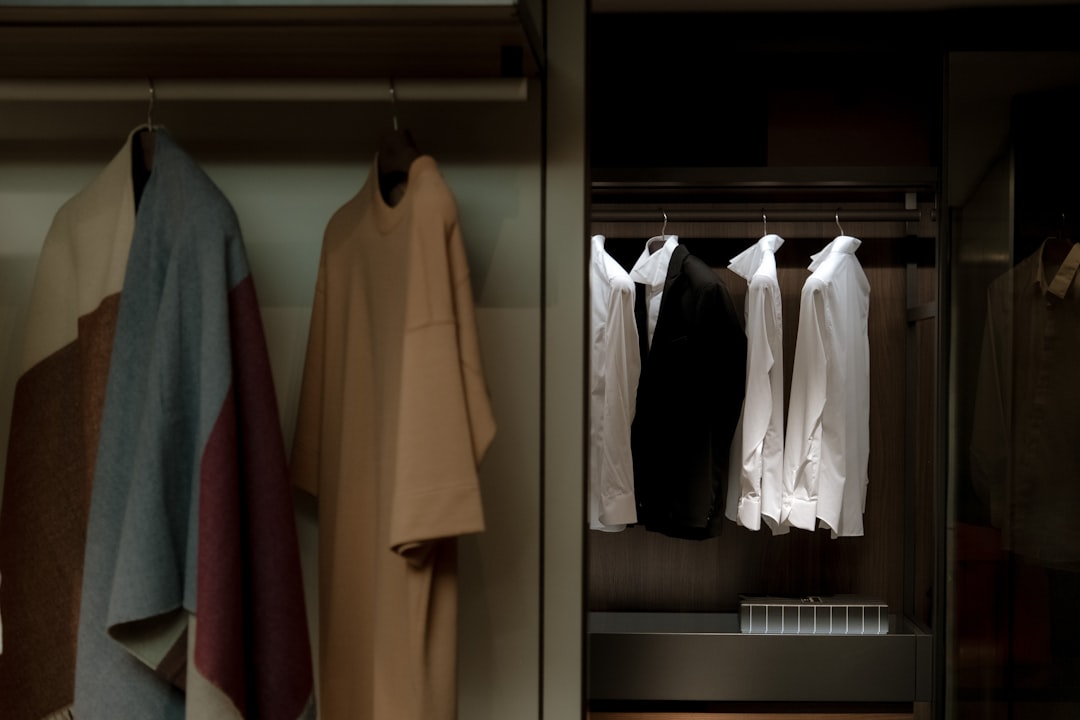
If you are trying to build a capsule wardrobe for women, the easiest place to start is not the store. It is your calendar, your laundry habits, and the outfits you already reach for when life gets busy. A capsule works when it matches your real week, not an idealized version of it. That simple shift saves more money and more decision time than most shopping rules ever will.
I like the capsule idea because it is practical before it is aesthetic. The goal is not to own very little for the sake of owning very little. The goal is to have enough pieces that work together, feel good, and hold up under repeat wear. If you want a wardrobe that is calmer, easier to pack, and less expensive to maintain, you need a system that edits with intent.
This guide walks through the decisions that matter most. I will cover lifestyle planning, palette building, silhouettes, fabrics, core pieces, work and travel modules, fit adjustments, budgeting, storage, and the small habits that keep the whole thing from drifting back into clutter. If you want a running wardrobe checklist to compare against, I also keep related planning notes on Arthavens.
capsule wardrobe for women: start with your real week
Before you buy a single thing, look at the last two weeks of your life. How many days were work-heavy, how many were casual, how many involved client meetings, school drop-offs, errands, dinners, or travel? A capsule wardrobe should reflect that split. If your schedule is mostly hybrid and weekend casual, then the closet should be built around that pattern, not around a fantasy office life or a fantasy weekend life.
The fastest way to waste money is to copy someone else’s number of pieces without copying their routine. One person needs blazers and trousers every day. Another needs soft knits, polished flats, and weather layers. A third spends half the year in hot weather and barely touches coats. When the closet does not match the week, people blame themselves for not being organized. Usually the problem is the wardrobe plan, not the person using it.
I like to divide wardrobe hours into four buckets. Work, off-duty, special occasions, and travel. Then I ask which bucket takes the most time and energy. That becomes the core. The second question is what causes the most frustration. Maybe it is shoes. Maybe it is pants that fit in the waist but not the hip. Maybe it is outerwear that ruins every outfit. Those friction points tell you what deserves attention first.
- Write down your top five weekly settings. For example, office, school run, remote work, dinner out, and weekend errands.
- Track the pieces you repeat. If you keep wearing the same jeans, sweater, and loafers, that is data.
- List the pieces you avoid. Unworn clothes are often a fit issue, a color mismatch, or a comfort issue.
- Notice your laundry rhythm. If you wash clothes twice a week, you do not need the same volume as someone who does laundry once every two weeks.
Once you understand the shape of the week, the rest gets simpler. You are no longer asking which clothes are fashionable in the abstract. You are asking which clothes can handle the life you actually have.
Build a color palette that keeps outfits compatible
Color is the glue of a capsule wardrobe. Without a clear palette, every piece becomes a special case. That means more hesitation, more duplication, and more clothes that look good alone but fail in combination. A restrained palette does not have to feel boring. It just has to make mix-and-match easy.
I usually think in three layers. First are the base neutrals. These are the colors that show up most often in bottoms, outerwear, bags, and shoes. Navy, charcoal, black, camel, taupe, cream, olive, and deep brown are common choices. Second are the softer supporting tones used in tops and knitwear. Third are accent colors for scarves, jewelry, bags, or one or two statement pieces. The smaller the capsule, the more important it is to keep those layers related.
The best palette is the one that works with your skin tone, your work environment, and your maintenance habits. If white shirts make you feel polished but high-contrast black feels harsh, choose ivory and soft navy instead. If bright colors lift your face, use them intentionally in a blouse or knit. If you prefer low effort dressing, choose colors that do not show lint or require constant matching.
One useful test is the hanger test. Put your most-worn pieces side by side and see what repeats. If three quarters of your closet is already navy, cream, and denim, then forcing in a lot of rust, magenta, or neon can create friction. It is better to refine a working palette than to fight it. The goal is not color restriction. The goal is coherence.
- Pick two or three base neutrals. Use them for trousers, coats, shoes, and bags.
- Add one or two soft supporting tones. These should work with every base neutral.
- Choose one accent family. Keep it controlled so it feels intentional.
- Limit mixed metals if possible. Too many clashing finishes can make an outfit look busy.
- Check colors in daylight. Store lighting can hide problems that show up in real life.
A narrow palette is not a lack of style. It is a tool that gives style more room to breathe.
Choose silhouettes that repeat well
The next decision is shape. A capsule wardrobe is much easier to manage when the silhouettes repeat in a way that flatters your proportions and layers cleanly. I think of this as wardrobe grammar. Once you know the structure that feels right, shopping becomes less random. You are not collecting interesting items. You are reinforcing a pattern that already works.
Silhouette choices are often more important than trends. A person who feels best in high-rise straight trousers and slightly relaxed tops does not need five different trendy fits. They need a reliable base shape in a few fabrics and colors. A person who loves midi skirts and fitted knit tops should build around that line, not keep buying pieces that force a completely different proportion. When the silhouette is consistent, the outfit looks deliberate even when the pieces are simple.
I find it helpful to compare three things. Where does the waist sit? How much volume is in the leg or sleeve? How does the outer layer end at the hip, thigh, or knee? These choices change everything. A cropped jacket over wide-leg trousers feels very different from a long blazer over slim jeans. One is sharper, one is softer. Both can work, but they should be chosen on purpose.
If you are not sure which lines suit you, try photographing a few outfits in natural light. The camera is honest about proportion. Look for the outfit that feels easiest to move in and easiest to repeat. That is usually the right starting point. Then build around it instead of chasing new shapes every season.
- Choose one or two preferred rises. Mid-rise or high-rise can simplify buying across categories.
- Repeat hem logic. If ankle length works for you, keep it consistent.
- Decide on your jacket length. Cropped, hip-length, or longline each changes the overall balance.
- Keep layering in mind. A piece that looks great alone may fail under coats or blazers.
- Test movement. Sit, walk, and reach before you commit.
When silhouette rules are clear, the closet feels less crowded even if the number of pieces stays the same.
Fabric and construction matter more than people think
A capsule wardrobe is not only about fewer pieces. It is about pieces that can be worn often without falling apart quickly. That is why fabric and construction deserve more attention than most shopping guides give them. The right material changes drape, comfort, care time, and how polished the outfit looks after a full day.
For tops, I prefer natural or blended fabrics that breathe and recover well. Cotton poplin, fine merino, linen blends, silk blends, and viscose can all work, depending on climate and care preferences. For trousers and skirts, I look for structure without stiffness. Wool blends, twill, ponte, and heavier cotton often hold shape better than flimsy synthetics. For layers, the key is how the garment sits over the rest of the outfit. A blazer with good lining and clean shoulders instantly makes a capsule feel more finished.
Construction details tell you a lot. Are the seams neat? Do the buttons feel secure? Does the zipper glide smoothly? Is the lining comfortable or scratchy? Does the hem hang evenly? These are not small details. They are the difference between a piece you wear once and a piece that stays in weekly rotation. A capsule wardrobe only works when the quality bar is high enough to support repeat use.
Climate should shape these choices too. Hot weather calls for breathable fabrics and lighter construction. Cold weather needs layering strength and outerwear that can handle wind and rain. If your climate swings, build with versatility in mind. One merino knit can work under a blazer in the office and under a coat on a weekend walk. One good trench can bridge spring showers and early autumn layers.
- Check for lining where structure matters. Jackets and trousers often wear better with it.
- Look at seams and hems. Sloppy finish usually means shorter life.
- Choose washability based on your routine. If dry cleaning makes you avoid wear, skip the piece.
- Prefer fabrics that recover after sitting. Wrinkle resistance matters in real life.
- Touch the fabric in store. If it feels fragile, it probably will not age well.
A good capsule is a wardrobe you can live in. Fabric choice is a major part of that comfort.
Build the core pieces that do the heavy lifting
There is no universal number that fits everyone, but there is a useful idea behind a core capsule. A small group of pieces should do most of the work. The point is not to own a perfect number of garments. The point is to have enough structure that getting dressed is easy, then enough flexibility that you are not repeating the exact same outfit all the time.
I think in modules. There are the pieces that anchor the base outfits, the pieces that shift formality, and the pieces that respond to weather. A strong capsule usually includes a few tops, a few bottoms, a few layers, a couple of pairs of shoes, and one or two bags. Dresses can replace some of those items if you wear them often. If you rarely wear dresses, do not force them in. The best capsule is the one you will actually use.
For many women, a practical core might include crisp shirts, quality tees, knit tops, straight-leg denim, tailored trousers, one skirt, a blazer, a casual jacket, a coat, loafers, sneakers, boots, and one polished bag. That already gives you a lot of combinations. The details matter more than the exact list. A navy knit shell may be more useful than a blouse you admire but never reach for. The closet should reward use, not guilt.
To keep the core honest, I like the three-outfit rule. Every new piece should work in at least three outfits with items you already own. If it cannot do that, it is probably a special occasion item or a trend impulse. That is fine sometimes, but those pieces should remain exceptions.
- Tops. Mix of shirts, tees, and knit tops that can be layered.
- Bottoms. Denim, tailored trousers, and one casual or dressier alternative.
- Layers. Blazer, cardigan, jacket, and coat for different levels of polish.
- Shoes. At least one polished flat, one casual pair, and one weather-ready pair.
- Bags and accessories. One daily bag, one optional smaller bag, one belt, and a few accessories that stay in palette.
When the core is clear, everything else can be edited more easily. That is where the real control comes from.
Turn the core into work, weekend, and travel modules
A capsule wardrobe becomes much more useful when you stop thinking of it as one block and start thinking of it as modules. The same wardrobe can serve work, weekends, and travel if you adjust the mix of structure, comfort, and polish. That is far better than owning separate closets for every context.
For work, the module should make you look put together with minimal effort. That usually means clean lines, a few tailored layers, and shoes that can handle long hours. A blazer over a knit shell and trousers may be enough for a formal office. In a more relaxed office, a refined knit and dark denim might do the same job. The exact dress code matters, but the principle is consistent. Keep the work module polished, repeatable, and low maintenance.
Weekend dressing should feel easier, not more complicated. This is where the softer tops, relaxed denim, cardigans, and comfortable footwear earn their place. I still like weekend pieces to match the core palette, because that keeps layering simple. A weekend sweater that also works under a blazer on Monday is a much better buy than a piece with no overlap.
Travel is where the capsule pays off fastest. A strong palette, consistent silhouettes, and predictable shoes make packing faster and lighter. I usually recommend building travel looks from your most adaptable pieces, then adding one or two items that change the mood. A scarf, a different shoe, or a dressier top can do a lot of work without filling the suitcase.
- Work module. Tailoring, polish, structured layers, reliable shoes.
- Weekend module. Comfort, stretch, softer layers, easy outerwear.
- Travel module. Lightweight layers, wrinkle resistance, mix-and-match colors, fewer shoes.
- Event module. One or two pieces that shift the outfit up without breaking the palette.
When each module borrows from the same base, your wardrobe feels larger than it is. That is the real advantage of a capsule.
Fit, tailoring, and body-specific adjustments
Even the best piece fails if the fit is wrong. This is where many people get discouraged, but fit issues are often solvable with a little patience and a good tailor. Small adjustments can change a garment from almost right to deeply useful. Shortening sleeves, adjusting hems, taking in a waist, or moving a button can make a big difference.
Different bodies need different priorities. Petite women often need cleaner proportions, shorter hems, and less excess fabric. Taller women may need longer sleeves and inseams. Curvier bodies often benefit from pieces with structure, room through the hips, and waist shaping that does not pull. None of this is about forcing one ideal shape. It is about making sure the clothes follow the body instead of fighting it.
I like to create a fit checklist for myself and keep it on my phone. It saves me from repeating the same mistakes. If I know a certain neckline gaps, a certain rise pinches, or a sleeve length makes me feel shorter, I can notice those issues faster in store. Once you know your rules, shopping gets much cleaner. You stop hoping a not-quite-right piece will become your favorite later. Usually it will not.
Tailoring is worth the money for high-use pieces. A blazer, trouser, or coat that fits properly will get worn far more often than a bargain version that barely works. I would rather spend a little more making the right item fit well than buy three close-enough pieces and wear none of them with confidence.
- Check shoulder seams first. If the shoulders are off, the rest is harder to fix.
- Watch the waist and hip line. If you tug at it in the fitting room, it will annoy you later.
- Test sitting and walking. Clothes should work in motion, not only in mirrors.
- Alter the highest-use items first. Trousers, blazers, and coats usually give the best return.
- Keep your fit notes. The more you repeat them, the faster future shopping gets.
Fit is not a final stage. It is part of the system.
Budget and sourcing rules that reduce wasted buying
A capsule wardrobe should lower spending over time, but only if the buying rules are clear. If you remove clutter from the closet and then replace it with more clutter, the system never really changes. The budget should follow use, not novelty. That means spending more on the categories you wear constantly and less on the items that only appear once in a while.
I like to think in cost per wear, not just price. A coat that is worn all winter may be a better value than a cheaper coat that feels wrong and sits untouched. A pair of trousers that fits beautifully and works with five tops is more useful than three cheaper pairs that all need fixing. Once you see the closet this way, quality becomes easier to justify.
There are also smarter ways to source. Resale can be very good for blazers, coats, bags, and shoes if you know your size and palette. Thrift works best when you are searching with a narrow target. Sale racks are dangerous if you shop without a plan. The best purchases are usually the ones you were already looking for, not the ones that look like a bargain in the moment.
Shopping rules help more than willpower. Decide how many new items you allow per season. Decide what categories you are willing to buy secondhand. Decide what has to be tried on at home before the tags come off. If a piece does not fit your palette, silhouette, and practical needs, it should not enter the capsule just because it is discounted.
- Spend first on high-use categories. Shoes, outerwear, trousers, and daily bags often deserve more budget.
- Use a one-in, one-out rule for problem categories. This keeps the closet from swelling again.
- Buy with an outfit plan. If you cannot name three outfits, wait.
- Use resale for experimentation. It is a safer way to test a new shape or color.
- Keep receipts and return what does not integrate. Good intention is not enough.
The less random your buying becomes, the more your wardrobe starts to feel like an asset rather than a storage problem.
Care, storage, and seasonal rotation
A small wardrobe only stays useful if it is cared for properly. When you own fewer pieces, each piece matters more. That means washing, folding, hanging, and storing with a bit more intention. I do not think capsule wardrobes require a complicated maintenance routine. I do think they require a consistent one.
Start with laundry. Wash pieces according to fabric, not mood. Delicates should not be shoved through rough cycles because you are in a hurry. Wool knits last longer when they are aired between wears and washed gently when needed. Structured items like blazers and coats often need brushing and airing more than frequent washing. Shoes last longer when you clean them regularly instead of waiting for damage to build up.
Storage matters too. Heavy knitwear should be folded rather than hung if you do not want it stretching. Structured jackets need proper hangers that support the shoulders. Seasonal pieces should be stored clean, dry, and easy to find when the weather changes. The more time it takes to rotate seasons, the more likely you are to ignore what you own and buy duplicates.
I also like a quick monthly wardrobe reset. It does not have to be dramatic. Put away what you did not wear, repair what needs attention, and pull forward the pieces that fit the current weather. That small check-in keeps the closet responsive. It also makes it easier to notice what is missing before you are in a rush.
- Use wide hangers for jackets and coats. They help preserve shape.
- Fold heavy knits. Hanging them can stretch the shoulders and body.
- Keep a small care kit. Lint brush, fabric shaver, needle, thread, and stain remover are enough for most fixes.
- Label off-season storage. You want to find things quickly when the weather turns.
- Rotate intentionally each season. The capsule should change with climate, not drift into chaos.
Good care is what turns a capsule from a nice idea into a wardrobe that actually lasts.
Outfit formulas and a simple audit rhythm
Once the pieces are in place, outfit formulas make the capsule easy to use. Formulas are not about being boring. They are about removing unnecessary decisions. When you know a few reliable combinations, dressing becomes quick and repeatable. Then you can vary accessories or one statement piece without rebuilding the outfit from scratch.
One formula I like is base plus layer plus shoe. For example, straight-leg trousers, knit top, blazer, and loafers. Another is column plus contrast layer. That could be a tonal top and bottom with a sharper coat on top. Dresses can work the same way. A shirt dress, a cardigan, and boots is a simple cool-weather formula. A knit dress, a belt, and sandals works in warmer months. The exact pieces can change. The structure stays useful.
Audit rhythm matters just as much. Every few months, I ask a few questions. What did I wear the most? What felt like a chore? What was missing? What do I keep reaching for in the laundry pile? That is the feedback loop that keeps the capsule alive. Without it, the wardrobe slowly starts collecting the same old mistakes in slightly different colors.
The best capsule wardrobe is not the smallest one. It is the one that gives you calm, flexibility, and enough personality to feel like yourself. If you build from your week, your palette, your fit rules, and your care habits, the system gets easier over time. The closet stops asking for attention and starts giving it back.
- Use three go-to outfit formulas. Keep them visible in your notes if that helps.
- Track wear for one month. Patterns will show up fast.
- Review the friction points. Fix the bottlenecks first.
- Change one category at a time. That keeps the system stable.
- Let the capsule evolve. Real life changes, and the wardrobe should too.
When the capsule is working, getting dressed feels less like a puzzle and more like a routine you can trust.