Techwear style outfit ideas for Everyday Wear
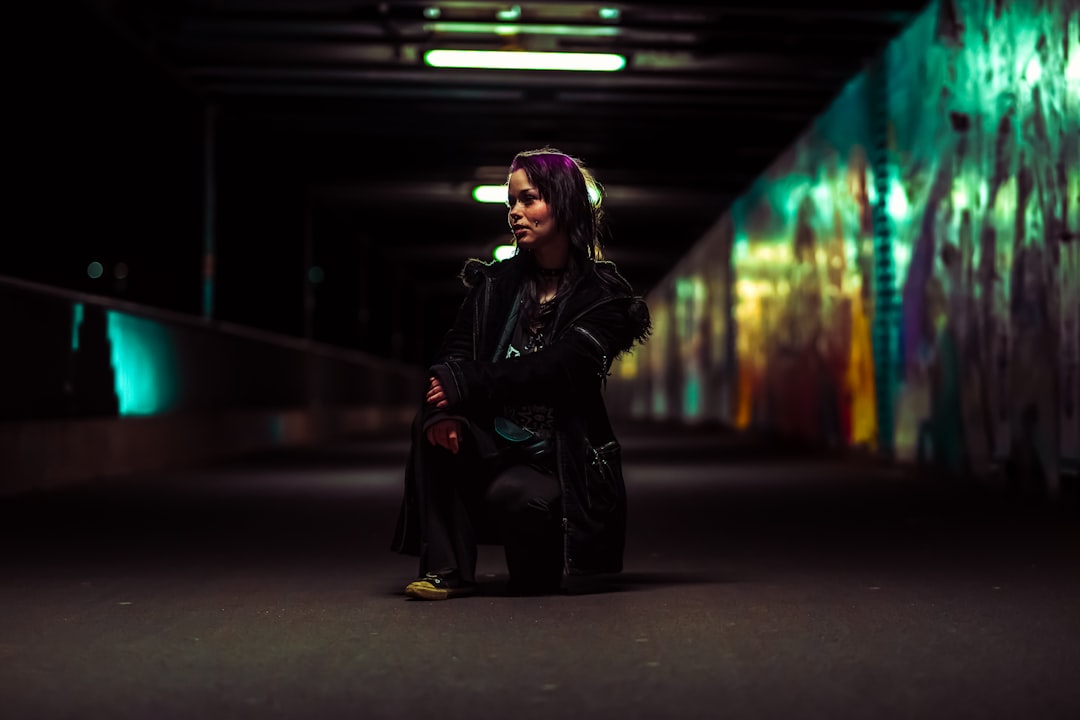
Techwear style outfit ideas can look intimidating when you only see the loudest versions online. I usually strip the look back and ask a simpler question. What would I actually wear on a rainy commute, a long walk, or a day that starts with coffee and ends with a late train ride? That is where I think the style gets useful. It is not about dressing like a concept image. It is about building city-ready clothes with structure, pockets, and a clean shape. I keep a running reference list in the Arthavens fashion archive, because the best outfits borrow ideas from more than one place.
The version I like most is calm, deliberate, and easy to repeat. One strong jacket, one pair of trousers that move well, and one pair of shoes that can handle distance usually say more than a pile of extra straps. I want clothes that feel useful without looking fussy. I want the outfit to work in motion, not just in a mirror.
That is the angle for this guide. I am not trying to build a costume or sell a fantasy. I am trying to show how Techwear style outfit ideas can fit a real wardrobe, a real schedule, and a real city.
Techwear style outfit ideas that start with one anchor piece
I almost never build this look from the top down in one shot. I start with one anchor piece and let it set the tone. That anchor might be a technical shell jacket, a cropped utility overshirt, a pair of tapered cargo trousers, or even a pair of shoes with enough shape to pull the rest together. Once that one item feels right, the outfit stops being vague. It has a center of gravity.
The easiest mistake is trying to make every piece perform at once. If the jacket is loud, the pants do not need to shout. If the trousers are wide and dramatic, the top can stay clean and quiet. I like that tension. It gives the look some depth without making it feel overloaded. A good anchor piece does not need to be the most expensive item in the closet. It just needs enough character to steer the rest of the outfit.
For example, a matte black shell with a sharp zip layout pushes the outfit toward a sleek and weather-ready mood. A short overshirt with a boxy cut feels more urban and compact. A pair of structured cargo trousers can make a basic tee look intentional. The point is to let one piece define the outline, then reduce everything else around it. That editing step matters more than people think.
When I shop, I ask a few basic questions. Does this piece give the outfit a shape? Can I wear it with three other things I already own? Does it still look good when I am not standing still? If the answer is yes, I am interested. If the answer is only yes in ideal lighting, I pass.
Layering that looks sharp when you move
Layering is where techwear becomes practical or starts to feel like a pile of fabric. I care a lot about how the layers behave when I sit, walk, bend, or take a bag off my shoulder. If the outer layer catches on everything, if the middle layer balloons out, or if the base layer bunches at the waist, the whole effect collapses. Good layering should feel almost invisible to the person wearing it.
I like a simple stack. A close base layer, a light middle layer, and a weather-facing outer layer. That formula sounds plain, but it works because each piece has a job. The base layer keeps things clean. The middle layer adds dimension. The outer layer gives the outfit its final shape. Once I have that structure, I can change the mood by swapping just one item. That is the kind of flexibility I want from clothing.
Length matters a lot here. If every hem ends in the same place, the outfit can flatten out fast. I usually want one layer slightly longer than the one above it. A tee under a short jacket. A longer shirt under a vest. A shell over a midweight knit. Those small differences create a visual rhythm that feels designed instead of accidental.
I also pay attention to bulk. A heavy stack can work, but only if the proportions stay balanced. If the top half is large, I want the lower half to feel grounded. If the pants are loose, the upper layers should stay tidy. That kind of balance makes the outfit feel ready for the city rather than stuck in a fitting room. It is less about looking technical and more about looking composed while moving through a messy day.
Fabric choices that change the whole mood
Fabric does a lot of the work in this style. Two jackets with similar cuts can read completely differently depending on how the cloth behaves. One can feel crisp and sharp. The other can feel soft and easy. That is why I pay attention to texture before I get too excited about details. The surface of the material often decides whether the outfit feels expensive, practical, or flat.
For a cleaner look, I lean toward materials that hold their shape. Dense cotton, nylon blends, coated canvas, technical twill, and other structured fabrics can give the outfit that crisp edge people associate with techwear. But I do not want every piece to feel hard. A little contrast keeps the outfit alive. A matte tee under a slightly glossy shell. A softer knit with a firmer trouser. A brushed fabric next to something smoother. That mix stops the outfit from becoming one-note.
Comfort matters more than trend language here. I care about whether the clothes breathe, how they crease, and whether they still look presentable after a full day out. If a jacket feels great only when I am standing under perfect light, it is not a serious piece for me. I would rather wear something that tolerates movement, weather, and long hours.
I also think about how a fabric ages. Some materials get better after a bit of wear. Others start to look tired very quickly. I usually prefer cloth that keeps its line even after a day of use. A good techwear wardrobe should not need constant babying. It should hold its shape long enough to make getting dressed feel easy.
Color systems that keep the outfit calm
Black gets the attention in this style, but I think the strongest outfits use a wider set of dark and muted colors. Black can be the base, but I like to add charcoal, slate, olive, deep navy, stone, or muted brown so the look has more depth. If every piece is the same black, the outfit can go flat very fast. A small shift in tone gives the eye something to work with.
My favorite method is to choose one dominant shade and one support tone. A black jacket with charcoal trousers feels more layered than black on black. An olive overshirt with dark trousers can soften the sharpness without losing the city feel. A slate shell over a pale gray base layer gives the outfit some air. These combinations stay restrained, but they do not feel lazy.
I also like a single accent used carefully. It might be a muted orange zipper pull, a small silver buckle, or a pale shirt peeking out under darker layers. Just one accent can sharpen the whole outfit. Too many accents, and the look starts to feel busy. I want the eye to move through the outfit, not bounce off every surface.
Color is also a useful way to control mood. Darker tones make the look feel more serious and compact. Softer neutrals make it easier to wear every day. If I know I will be in different settings, I usually keep the palette quiet. That makes the outfit easier to repeat, and repetition is a bigger style advantage than people admit.
Pants shape decides the silhouette
If the jacket sets the attitude, the trousers set the silhouette. This is where a lot of outfits succeed or fall apart. Techwear can look great from the waist up and still feel awkward below it if the pants do not support the shape. I pay close attention to the line from hip to ankle, because that line tells me whether the outfit feels sharp or sloppy.
For a cleaner look, I like a taper that narrows gently without clinging to the leg. It gives the outfit shape and keeps the lower half from looking heavy. If I go wider, I want the rest of the outfit to have enough discipline to balance it. A relaxed cargo pant with a structured jacket can work well, but only if the proportions stay deliberate. If the pants are too long and too loose, the outfit starts to lose its frame.
Pocket placement matters too. I do not want pockets to bulge in weird places or pull the fabric into strange folds. Utility details should support the shape, not fight it. A clean set of side pockets or a useful cargo layout can add interest without turning the trousers into a prop. The best pair usually disappears into the outfit while still doing its job.
If I am unsure what to buy, I try the pants with my plainest top and my most basic shoes. If they still carry the outfit on their own, that is a good sign. Pants that need a complicated top to work are harder to wear often. I want trousers that can survive a lazy morning and still look intentional.
Shoes, bags, and hardware carry the final weight
Footwear can change the entire reading of the outfit in one step. A light sneaker makes the look feel more casual. A heavier sole gives it more presence. A trail-inspired runner pushes it into a more rugged lane. A minimal boot makes it feel more grounded. I do not think there is one correct answer here. I think the shoe has to match the shape above it.
With wider pants, I usually want a shoe that has enough visual weight to hold the line. With cropped trousers, I lean toward something cleaner so the ankle area feels intentional. I like shoes that can handle long walks and still look sharp after several hours. If the pair feels fragile or overly precious, I tend to leave it behind.
Bags matter just as much. A sling bag, compact crossbody, or small backpack can finish the look without making it feel overbuilt. I prefer a bag that sits close to the body and keeps its shape. I do not want something that drags the outfit down or turns into a second costume. Clean hardware, simple straps, and a shape that stays controlled usually do the trick.
Then there is the hardware itself. Zips, snaps, buckles, and toggles are where this style can either look smart or look noisy. I like hardware that feels purposeful and matched to the rest of the clothing. If there is too much of it, the outfit starts to look like a display rack. A few good details feel better than a dozen empty ones.
How I adjust the look for work, weekends, and travel
I like clothing that can shift with the day. Techwear gives me that flexibility, but only if I edit it for the setting. At work, I keep the shapes cleaner. A crisp shell, a darker trouser, and a simple shoe usually feel right. If the office leans creative, I might push the silhouette a little more. If it is more formal, I keep the hardware quiet and the lines tidy.
Weekends are where I loosen things up. I might choose a softer base layer, a looser pant, or a bag that feels more casual. The overall mood can relax without losing the identity of the outfit. That is one reason I like this style. It does not have to be locked into one tone. It can feel practical on Monday and more relaxed on Saturday without becoming a different wardrobe.
Travel is where the system makes the most sense to me. I want pockets that actually work. I want a jacket that handles temperature swings. I want trousers that do not punish me after a long train ride. I want shoes I can walk in without thinking about them every ten minutes. Travel days expose weak clothing very quickly. If the outfit only looks good in a still photo, it does not help much at an airport or on a platform.
My rule is simple. If I know I will move a lot, I remove friction. Fewer unnecessary details. Better pockets. Better shoes. Fabrics that can handle the day. That makes the style feel grounded rather than theatrical.
What I would buy first if I started from zero
If I had to start again, I would not begin with the most dramatic item. I would start with the piece that can work across the most outfits. For me, that is usually a strong jacket or a pair of trousers with a clean shape. Those two pieces define the silhouette before almost anything else does. They also make the rest of the wardrobe easier to build.
After that, I would add quiet base layers. Plain tees, long sleeves, or lightweight knits in dark neutrals give the outfit a steady center. They are useful because they can sit under more expressive pieces without competing with them. A lot of people skip this step and end up with a closet full of interesting items that do not actually work together. I would rather have a few reliable base layers than a stack of random statements.
Then I would look at shoes. A strong shoe changes the energy of everything else. It does not need to be flashy. It just needs to hold the look together. After shoes, I would think about a bag. The right bag adds a practical note and helps the outfit feel complete.
If I had a limited budget, I would shop in this order.
- One jacket or overshirt with structure
- One pair of trousers that fit the silhouette I want
- One pair of shoes I can walk in all day
- One simple bag that sits close to the body
- Two or three base layers that work under everything
That order keeps the wardrobe honest. It builds the shape first and the details second.
How I keep the clothes sharp over time
Technical clothing looks best when it is cared for in a simple way. I do not mean anything complicated. I mean checking the label, using the right wash setting, and giving garments enough space so they do not collapse into a wrinkled mess. The style depends on clean lines, and clean lines disappear quickly if the clothes are stored badly.
I hang jackets on sturdy hangers so the shoulders keep their shape. I fold trousers with a clear crease or hang them if the fabric is prone to wrinkling. I keep bags stuffed lightly so they do not sag. I zip up shells before washing and empty pockets so hardware is not grinding around in the machine. None of that is dramatic. It just keeps the wardrobe ready for the next wear.
I also think about rotation. If I wear the same item too often without a break, it starts to look tired faster. Even a great jacket needs some time off. I try to let the closet breathe, so the pieces stay useful for longer. That sounds simple because it is simple. Good clothes usually fail when the care routine is chaotic, not because the clothes are bad.
Once every so often, I do a quick check. Are the hems clean? Are any zips dragging? Are the soles still in decent shape? Is the bag holding its line? That tiny review keeps the outfit system from drifting into neglect. A techwear wardrobe only works if the pieces still look deliberate when I reach for them weeks later.
What makes the look feel forced, and how I fix it
The most common mistake is adding details because they look technical, not because they help the outfit. Extra straps that do nothing, pockets that sit badly, zips that never get used, or oversized layers that swallow the frame can all make the look feel more like decoration than clothing. I am suspicious of anything that seems to exist only for effect.
Fit is the other big issue. Some people assume that bigger automatically reads more futuristic. It does not. Oversized pieces can work, but only when the proportions are controlled. If the jacket is huge and the trousers are also huge, the outfit loses focus. I usually solve that by letting one part of the silhouette lead and keeping the other part quieter.
Color can create the same problem. When every item in the outfit is shouting in a different way, the whole look collapses into noise. I usually pull it back to one dominant shade, one support tone, and one small accent. That keeps the styling readable.
Here is the test I use before I leave the house.
- Can I identify the anchor piece in two seconds?
- Do the layers move together when I walk?
- Does the silhouette still work when I sit down?
- Are the details helping the outfit or just filling space?
- Could I wear this again next week without changing anything?
If I hesitate on more than one of those, I edit the outfit again. Usually that means taking one thing off.
The best version of this style feels calm, useful, and a little sharper than ordinary day clothes. It should look like a decision, not a performance. That is the version I keep coming back to, because it holds up in real life and still has enough edge to feel interesting when I catch my reflection in a window on the way home.