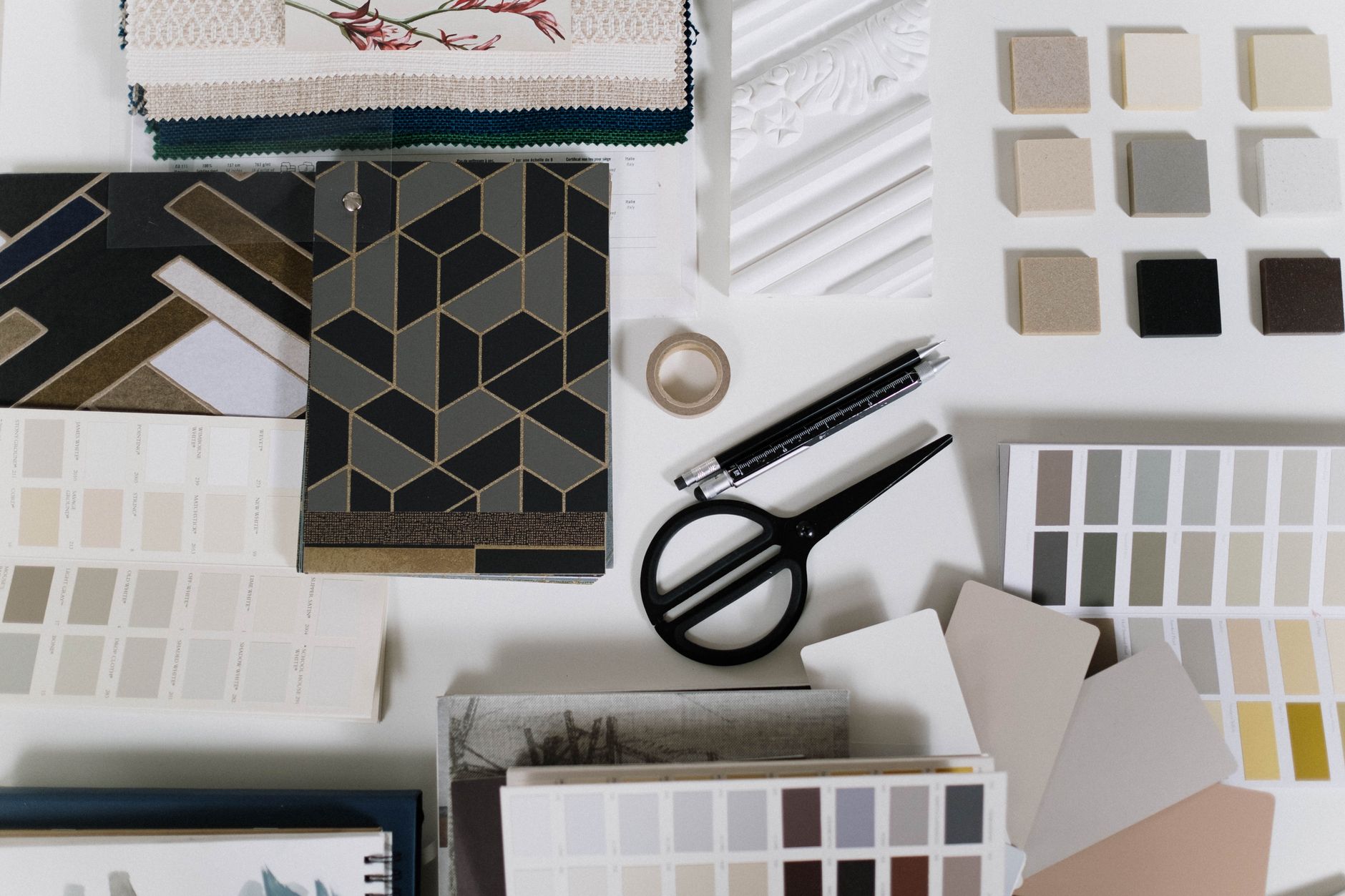
Whether you work in couture, sportswear, or accessories, cutting-edge fashion materials are changing how garments are imagined, built, and cared for. They influence drape and structure, breathability and barrier, color and finish, even how clothing interfaces with power and data. This working guide takes a studio-first view: it maps what is available, how to evaluate it, how to collaborate with mills and makers, and how to translate early promise into reliable pieces that wear well over time.
cutting-edge fashion materials in 12 categories
It helps to cluster innovations into practical buckets. These categories reflect what you are likely to see listed in sample books, trade fairs, and vendor presentations in the next seasons. Each comes with common use-cases and realistic caveats so you can make informed picks early.
- Biofabricated leather alternatives: Mycelium sheets, bacterial cellulose, and plant-based composites deliver leather-like hand and support without the same animal inputs. Strong for bags, trims, overlays, and structured panels. Caveat: edge finishing and seam puckering behave differently; test binders and topstitch patterns.
- Recycled high-performance synthetics: GRS-certified polyester and nylon in yarns engineered for better hand and durability. Good for shells, linings, and trims. Caveat: dye uptake can vary across lots; lock lab dips per batch and confirm colorfastness.
- Nano-enhanced textiles: Additives at the fiber or finish stage can improve abrasion resistance, stain resistance, wicking, or UV modulation. Useful in outerwear and sport pieces. Caveat: finishing stability depends on care routines; validate after repeated laundering.
- Smart textiles: Conductive yarns, printed circuits, and embedded sensors support heat management, touch input, and signal routing. Best for capsules and special projects. Caveat: power modules and connectors introduce bulk; pattern ease and detachable design matter.
- Biobased elastomers: Stretch with lower petrochemical content; sometimes blended with recycled synthetics. Suited for seamless bodies, waistbands, and performance fits. Caveat: recovery shifts over time and temperature; run multi-cycle tests in hot/cold rooms.
- 3D knitted structures: Zoned compression and ventilation integrated at knit time, with pockets or shaping built into the fabric. Great for seamless tops, accessories, and footwear uppers. Caveat: stitch maps act like tooling; version control them like patterns.
- Membrane laminates: Multi-layer stacks for wind and water resistance with controlled vapor management. Solid for shells, gloves, and soft equipment. Caveat: bond lines and seam tapes influence silhouette; plan articulation at joints.
- Liquid leather alternatives: Castable, paintable, or spray-on films create continuous surfaces over fabrics. Good for panels and sculptural trims. Caveat: cracking thresholds depend on substrate stretch; mix in woven underlays or stretch zones.
- Cellulosic revivals: New-gen viscose, lyocell, acetate, and modal programs with better traceability and often improved finishes. Reliable for dresses, suiting, and fluid separates. Caveat: bias-cut drape varies; test hang and recovery across sizes.
- Meta-dyed and digitally finished fabrics: Color and finish achieved with lower water and energy use; precise graphics and gradients become feasible. Excellent for vibrant stories. Caveat: colorfastness and crocking still demand standard tests.
- Thermoregulating fibers and blends: Phase-change microcapsules and blends with wool, alpaca, or specialty synthetics smooth temperature swings. Useful in base layers and everyday knitwear. Caveat: efficacy depends on weight and knit structure; set realistic expectations in copy.
- Graphene and carbon-infused textiles: Engineered for enhanced heat distribution, conductivity, or durability at low weight. Interesting for outer layers and accessories. Caveat: verify claims with vendor data; monitor any surface marking changes after wear.
These categories are a starting point. The real decision is pairing a fabric’s strengths to the garment’s job—while accepting its limits and designing around them.
Why these materials matter now
Garments are experience devices. A blouse that glides without clinging, a shell that seals rain without feeling clammy, a backpack that holds a sculpted form with lighter inputs—each delivers a distinct use-case. Five dynamics explain why this matters now:
- Wearer expectations climbed: People compare apparel to their devices: responsive, lightweight, more capable. Functional comfort—temperature, airflow, tactile feel—matters across categories, not only in athletics.
- Supply chains are more transparent: Brands document inputs, chemistry, and end-of-life options with increasing clarity. Material choices link to brand trust and regulatory compliance, not just aesthetics.
- Runway to real life is faster: Digital sampling and on-demand methods compress cycles, encouraging experimentation with new fibers and finishes—if teams manage risk with structured tests.
- Lower-impact strategies matured: Recycled and biobased options now span more price points, and mills share data more readily. Designers can align silhouette and feel with lower-impact inputs without sacrificing performance as often.
- Craft and engineering converged: Patternmakers, knit programmers, bonding techs, and electronics specialists now collaborate early. Creative choices assume technical supports and vice versa.
In short, materials strategy is brand strategy. The fabrics you choose are part of the story you tell about care, craft, and context. For ongoing editorials that bridge art, craft, and technology, explore Art Havens.
From brief to runway: a repeatable workflow
Innovations stumble when teams rely on slogans or single samples. A repeatable loop helps you adapt any new material to your silhouette and price point without unnecessary drama. Consider this proven scaffold:
- Frame the opportunity: Write a one-page brief that names the garment’s job (protect, breathe, sculpt, signal). Include non-negotiables: hand, drape, finish, target weight, care routine, budget, and lead time. Set two or three must-meet wearer experiences (e.g., stays comfortable on a humid commute, keeps its line after a long seating).
- Scout suppliers by capability: Build a shortlist across fiber families, focusing on mills with relevant processes (lamination, 3D knit, biofabrication, digital finishing). Ask for datasheets and references with similar silhouettes.
- Run a swatch-to-sample ladder: Order swatches and lab dips. In-house, run quick tests for stretch recovery, abrasion, crocking, and hand retention after a single wash. Promote two candidates to sample yardage and one to a prototype.
- Prototype deliberately: Draft patterns with allowances for tapes, welds, modules, or thicker seams. Build a wearable piece. Wear it over days, record how panels creep, snag, or relax. Adjust seam placements and reinforcements with data in hand.
- Document claims and compliance: Where relevant, organize certification proof (e.g., OEKO-TEX, GRS, FSC for cellulosics, electrical safety for smart modules). Record this in your tech pack, not just inbox threads.
- Prepare production tooling: Freeze graded patterns, stitch maps (for 3D knit), laser profiles, and bonding settings. Treat these files as tooling; store versions with change histories. Lock care labels based on verified routines.
This loop is not red tape; it is creative momentum. It reduces rework, supports consistent fit and feel, and gives retail copy something specific and honest to say.
Performance metrics designers actually use
Technical sheets become useful when they map to how a garment behaves in use. Treat numbers as a translation layer between lab tests and wardrobe experiences. Focus on metrics that consistently predict comfort, longevity, and workshop reliability:
- Weight and thickness: GSM (grams per square meter) and caliper inform drape and swing. Thin is not always light; compare both numbers to understand how the fabric behaves on the body.
- Tensile and tear strength: Critical for bags, shells, and any piece with stress points or long seams. Seek category-appropriate thresholds; you rarely need the absolute max.
- Stretch and recovery: Track elongation and return over cycles and temperatures. For biobased elastomers, include hot-humid exposures to see how recovery ages.
- Air permeability and vapor transmission: Predict comfort in shells and mid-layers. Membrane stacks will trade barrier and breathability; choose based on use scenario (e.g., city rain vs. mountain downpour).
- Thermal behavior: Thermal resistance, reflectivity, or conduction matter in base layers and outer shells. For smart textiles, define safe surface temperature ranges and duty cycles.
- Dye uptake and colorfastness: Recycled synthetics can surprise you; run lab dips per lot and test light and wash fastness. Crocking tests safeguard light-toned garments.
- Abrasion and pilling: Indicate surface life and how hand evolves with wear. Nano finishes can support performance; verify after repeated laundering on your care routine.
- Finish durability: Especially for liquid films and digitally finished surfaces. Bend, fold, stretch, then inspect for micro-cracks or delamination; adjust substrate or paneling accordingly.
Build a one-page scorecard in your tech pack. Define acceptable ranges, not just targets. The goal is alignment between intent, numbers, and the wearer’s experience—so decisions are explicit rather than implied.
Sustainability, traceability, and practical disclosure
Impact language reads best when it is specific, honest, and connected to use. Reduce slogans; increase clarity. Focus on three threads: inputs, processes, and lifespan documentation.
- Inputs: Prefer recycled or certified fibers when they meet performance needs. For cellulosics, reference FSC or PEFC claims. For leather-like surfaces, document biobased content and any third-party verification. Share traceable sources without overstating impact.
- Processes: Ask mills for data on water, energy, finishing chemistry, and waste handling. Digital finishing and meta-dye programs often lower resource intensity; verify with the supplier’s documentation.
- Lifespan documentation: Clear care routines, repair paths, and spare part availability (e.g., replacement modules) help pieces stay in use longer. Durability is often the strongest practical lever for lower lifetime impact.
Consumers react well to specifics: what the fabric does, how to look after it, and what certifications apply. Avoid absolute claims. If an option lowers exposure to a certain input or improves a metric in a defined test, say so plainly and provide context.
Design applications: silhouette, drape, and structure
Each material family suggests a design logic. Instead of forcing fabrics to behave against their strengths, lean into what they naturally offer and use pattern engineering to compensate where they don’t. A few applications to consider:
- Biofabricated leather alternatives: Use panels and overlays to create structure without bulk. Turned edges with micro-binders can preserve hand. Test topstitching density to avoid stiffness; place seams where movement is minimal.
- 3D knitted structures: Treat stitch maps like patterns. Define zones for compression or ventilation, and test transitions between zones for comfort. Build pockets or small channels during knit to avoid post processes.
- Membrane laminates: Plan articulation—gussets at elbows and knees, split seam placements at hips—to maintain range of motion. Select seam tapes that harmonize with drape; mismatched tapes can create stiff bands.
- Liquid alternatives: Use for sculptural trims or continuous panels. Engineer stress relief with woven underlays and small stretch zones to protect against cracking. Consider layered films with differing elasticity.
- Cellulosic revivals: Emphasize fluid motion and bias cuts for dresses and blouses. Pre-test hang on size runs; bias-cut pieces can drift if paneling is not balanced.
- Recycled synthetics: When color precision is critical, budget extra steps for lab dips and holdbacks. Use recycled zippers and trims coordinated with the main fabric to keep surface stories tight.
Design is a conversation between intent and physics. Let the material lead where it is naturally strong. Use pattern, anchoring, and reinforcement strategies to support where it is weaker.
Manufacturing playbook: techniques for new textiles
Tooling choices can transform results with modern fabrics. Work with makers comfortable with process shifts, and define settings as part of your pattern. These techniques often earn their keep:
- Ultrasonic welding: For synthetics and laminates where needle holes would compromise barriers. Treat weld lines as design lines—clean modern seams can become a signature.
- Laser cutting: Offers crisp edges and complex profiles. Manage heat-affected zones; cut tests on the same lot you plan to use. Use laser files as you would pattern pieces, versioned and archived.
- Lamination and bonding: Control pressure, heat, and dwell time for repeatability. Write settings on a card and store with the pattern files. Treat seam tapes as pattern elements with their own allowances.
- 3D knitting: Spend time in stitch programming. Prototype small, iterate fast, and lock stitch maps only after wear tests confirm comfort at zone transitions.
- Molding and casting: For liquid films and structured panels. Run tests to learn demold times, shrink rates, and surface finishing; adjust mold design to release cleanly and protect panel edges.
Remember that your “pattern” is now a suite of files and settings: laser profiles, weld paths, stitch maps, bonding schedules. Back them up and treat edits like serious changes. It saves seasons later.
Care, wear, and repair: routines that keep pieces in use
Clear care guidance is one of the best ways to keep advanced fabrics looking and feeling right. Include instructions that match how people actually launder and store their clothing. Validate labels by running your test routine end-to-end.
- Cleaning: Specify water temperature bands, detergent type, and cycle guidance. For sensitive finishes, advise hand-washing of removable modules and standard machine cycles for the garment body when appropriate. Provide a gentle option when in doubt.
- Drying: Encourage air-dry strategies and flat lay for shape-sensitive pieces. If tumble drying is acceptable, specify gentle cycles and temperature thresholds.
- Storage: Recommend breathable covers for leather-like alternatives and folded storage for heavy knits to reduce hanger stress. Mention any special considerations for smart modules or detachable trims.
- Repairs: Offer simple instructions for seam tape touch-ups, panel patches, and sensor replacements where relevant. Provide links or QR codes to short videos if your brand supports them.
Test your care label yourself before production: launder prototypes on the intended routine, evaluate hand and shape, then adjust. Specificity reduces returns and builds trust.
Budgets, MOQs, and contracts: making numbers work
New materials do not automatically mean higher price points, but they do introduce learning curves. Manage finances by shaping supplier conversations around garment jobs and unit economics. Use a simple template for clarity:
- Unit economics: Calculate material cost per garment including allowances for wastage, tooling, and quality checks. Compare to target margin and retail price; record the path to profitability by size curve.
- MOQs and lead times: Request realistic MOQs and current lead times. Specialized laminates and recycled lots can have longer cycles; align your calendar early.
- Supplier checks: Ask for experience with similar silhouettes, confirm references, and discuss past failures and lessons. Reliability is a capability, not a claim.
- Contract clarity: Document acceptable tolerances for hand, weight, and color, plus recourse for major deviations. Your tech pack should anchor the agreement.
Build redundancy by qualifying two suppliers per material family where possible. If a single novel input defines a line, invest extra in relationships and documentation. It is an insurance policy that pays for itself.
Comparisons you will face season after season
Side-by-side calls surface in every studio. Decide quickly by focusing on the garment’s job and the wearer’s experience. Here are comparisons that recur—and how teams often choose.
- Mycelium vs. PU leather: Mycelium can deliver biobased content and sculptural overlays with distinct surface character. PU often offers smoother edge finishing and batch consistency at scale. Pick based on silhouette and desired surface continuity.
- Recycled polyester vs. virgin polyester: Recycled variants reduce petrochemical inputs. Color consistency can demand more lab dips and testing. If precise color is critical, budget time for recycled lots or choose virgin for repeatability.
- Membrane laminate vs. tightly woven shell: Laminates create strong weather barriers and predictable tape performance. Tightly woven shells can feel more organic and may breathe differently. Choose by environment, hand, and the range of motion you need.
- 3D knit vs. cut-and-sew: 3D knit excels when zoned function or seamlessness defines the garment. Cut-and-sew offers flexibility for mosaic paneling and mixed media. If the story is integrated shaping, knit it; if it is panel artistry, cut and sew.
- Digitally finished vs. piece-dyed: Digital finishing offers precise graphics with lower resource intensity; piece-dyed fabric provides deeper, often softer hand variations. Think about whether the centerpiece is color precision or touch and depth.
Use comparisons to confirm metrics and test results, not to substitute for them. A quick field test with a sample set often decides faster than a meeting.
Checklists for teams: concept to production
Well-made checklists save weeks and protect creative energy. These are field-tested prompts you can paste into your tech packs or planning docs and adapt to your brand’s calendar.
- Pre-brief: Record the garment job, wearer situation, silhouette language, finish look, budget, and calendar. Define two “must-feel” experiences for the wearer.
- Material shortlist: Pick three candidates from distinct categories. Gather swatches and lab dips; run quick checks for stretch/recovery, abrasion, and colorfastness. Promote two to sample yardage.
- Prototype prep: Draft patterns with allowances for welds, tapes, modules, and drape behavior. Create tooling files (laser profiles, stitch maps, bonding settings) and store them with version names.
- User validation: Wear prototypes in real scenarios—commutes, movement, climate. Collect data and subjective notes; adjust paneling, reinforcement, and finish settings.
- Care and documentation: Verify care routines with real laundering. Finalize labels and the tech pack; include certifications and traceability notes as an appendix.
- Production readiness: Freeze graded patterns and tooling, confirm supplier timelines, and prepare QC thresholds with clear pass/fail criteria. Assign a single owner for last-mile decisions.
Good checklists amplify craft. They remove avoidable mistakes so attention can rest on silhouette, hand, and the wearer’s experience.
Smart textiles: designing for power, data, and comfort
Textiles that carry or respond to signals invite new questions. Answer them early to avoid rework and awkward wear. Build your smart pieces around comfort first; capability without comfort rarely leaves the wardrobe.
- Module placement: Keep modules away from pressure points such as shoulders and hips. Use detachable housings so modules can be removed for cleaning or travel. Consider snap or magnetic interfaces designed for repeated use.
- Cable routing: Integrate channels within seams or underlays. Add pattern ease where rigidity intrudes, and double-check that routing does not create hot spots in heat-managed garments.
- Power profiles: Define duty cycles and temperature envelopes for heated elements. Set defaults at comfort levels that are easy to manage. Provide simple “off” positions for everyday safety.
- Interfaces: Favor tactile buttons or small touch areas with clear feedback. Communicate usage on hangtags or care labels with concise instructions that match the wearer’s reality.
Future watch: what’s likely next
Expect biofabrication to focus on thicker, more resilient sheets with better edge behavior; recycled synthetics to improve dye consistency and lower microfiber release in lab tests; and laminates to continue softening while maintaining barriers. Knit programming will keep merging pattern, fit, and function into single files. The studio of 2030 will look more like a materials lab, yet it will still speak the language of drape, hand, and motion.
What stays constant is the creative judgment at center: understand the wearer, pick materials that serve the experience, and keep a tight loop between idea, test, and production. That is how innovations become everyday favorites.