When I look at the 2026 indie music release calendar, I do not see a tidy list. I see a moving map. One artist drops a single on a quiet Tuesday, another opens a vinyl pre-order before lunch, and by the weekend a live clip is already carrying the song into a new audience. That mix is the real story of indie music right now. The date matters, but the shape around the date matters just as much. For fans, that means there is more to track than a drop day. For artists and labels, it means timing is part of the art.
If you follow music coverage closely, I also think it helps to keep one eye on broader scene reporting. I often start with the latest stories on Arthavens, then work outward from there. The headlines tell you what arrived. The calendar tells you how it arrived, and that is usually where the useful pattern lives.
In 2026, indie releases are not simply landing. They are unfolding. A song may start as a private link in a newsletter, turn into a clip on social platforms, gain traction through a live recording, and then arrive on streaming with a physical edition behind it. That sequence changes how listeners discover music and how artists build momentum. It also means a release calendar is more useful when it shows the path, not only the final date.

Why the 2026 indie music release calendar feels crowded
The first thing I notice about 2026 is density. There is simply more music, more formats, more announcement channels, and more reasons for a release to appear in stages. A decade ago, a typical indie rollout often moved in a straight line. Single, second single, album, tour. That still happens, but it is no longer the default shape for every project.
Now a release can begin with a teaser clip, then shift into a pre-order page, then appear as a streaming save link, then gain a second life through a short live video. None of those steps is random. Each one gives the project a slightly different job. One step is for curiosity. Another is for commitment. Another is for repeat listening. A good calendar has to hold all of them.
The crowding also comes from the way listeners behave. Indie fans rarely sit inside one lane anymore. The same person might follow bedroom pop, ambient records, noisy guitar bands, and a singer-songwriter with a strong newsletter. That overlap creates competition for attention, even when the music itself is not competing in the same lane. The release calendar becomes dense because artists are trying to make space for themselves inside a very mixed listening life.
That does not mean smaller artists are doomed to get buried. In some cases, the right gap can help a record stand out. A slower week, a less hectic Tuesday, or a quieter season between larger festival runs can give a project room to breathe. The problem is not density by itself. The problem is reading density as noise instead of pattern. Once I start looking for structure, the schedule begins to make more sense.
That is the value of a calendar in 2026. It is not just a list of what is coming. It is a view of where attention is being asked to move. That difference matters.
How I read the 2026 indie music release calendar
I do not read a release calendar like a scoreboard. I read it like weather. The date is one signal. The surrounding details are the other signals. Did the artist already share a live version? Is there a physical edition attached? Is the release landing before a tour stop or after it? Did the first teaser come with a strong visual idea, or did it just appear as a plain link? Those clues tell me a lot more than the date alone.
My own method is simple. I sort releases into three layers. The first layer is the quick scan. What is landing this week? The second layer is the deeper listen. Which release seems like it deserves a full session rather than background play? The third layer is the afterlife. Did the song turn into a session video, a remix, a live cut, or a tour announcement? Most indie projects use some version of all three, even if one layer is clearly leading.
What helps is asking what the release date is supposed to do. Is it there to trigger curiosity? Is it there to support pre-orders? Is it there to catch press attention? Is it there to land during a tour window? Once I know the job of the date, the rest of the plan becomes easier to read. A calendar is useful when it shows intention, not just sequence.
I also look for the split between a signal date and a landing date. The signal date may be the first announcement, the first clip, or the first pre-save push. The landing date is when the music fully arrives. Indie campaigns often work better when those dates are separate. One starts the conversation. The other closes it. If you know that, the calendar becomes much easier to follow.
For me, that is the main skill in reading the year. Do not ask only what is out. Ask what the release wants the audience to do next.
Why staggered rollouts keep winning attention
Staggered rollouts keep showing up because they give each part of the project its own purpose. A single can introduce a mood. A second single can widen the audience. A video can sharpen the identity of the era. A full album can gather all the earlier pieces into one frame. When the steps are spaced apart, each one has a chance to matter on its own.
There is also a practical side. Many indie artists do not have the budget or the team to push everything at once. They may wait on artwork, mastering, manufacturing, or tour logistics. Spreading the campaign out gives them time to respond to what is actually working. If one song draws more interest than expected, the next move can build on that response instead of guessing in the dark.
That pacing matters psychologically too. People remember sequences better than one large burst. If a fan hears about a project through a teaser, then a live clip, then a pre-order, then the final release, the music starts to feel like a story. The project acquires a timeline in the listener’s head. That narrative feeling is valuable, because it gives the record more shape than a single feed post can provide.
The trade-off is obvious. If the gaps stretch too far, the audience drifts. If the steps feel too thin, momentum fades. The best staggered rollouts are paced, not dragged out. Each step needs enough weight to justify the wait. A teaser should feel like a real clue. A single should feel like a real event. The final release should feel like a payoff.
Here is the test I use. If I remove one step from the rollout, does the campaign still feel complete? If the answer is yes, the extra step was probably not doing much. If the answer is no, the release plan likely has a real spine.
Streaming is only part of the story
Streaming still matters, but it no longer tells the whole story. In 2026, a lot of indie music starts life elsewhere. A newsletter may carry the first mention. A direct store may open pre-orders before the streaming date is public. A social clip may do the first round of discovery. Streaming often becomes the broad public landing zone, not the original spark.
That shift changes the calendar. If a release begins in a mailing list and only later reaches streaming, the schedule has to make room for both audiences. The direct fan wants early access and a clearer sense of the rollout. The casual listener may only see the final public date. A good indie campaign respects both. It gives loyal listeners something early, but it still leaves enough structure for the wider crowd to find the record later.
I think the most interesting campaigns now combine several layers instead of betting everything on one platform. An artist might tease the project on video, open pre-orders in a store, premiere one track through a newsletter, and use streaming as the final wide release. That is not clutter for its own sake. It is platform matching. Each channel is doing a different kind of work.
That difference affects how fans should read the calendar. If you only watch the streaming date, you miss the earlier signs of momentum. You also miss the fan-specific moments that often shape whether the release actually sticks. Many of the best indie rollouts now start with direct relationships, then widen into public attention. The calendar has to reflect that sequence.
So when I look at a release list, I ask a simple question. Where did this project first become real to the audience, and where does it become public? If those are two different moments, the calendar should show both.

Physical formats still shape the clock
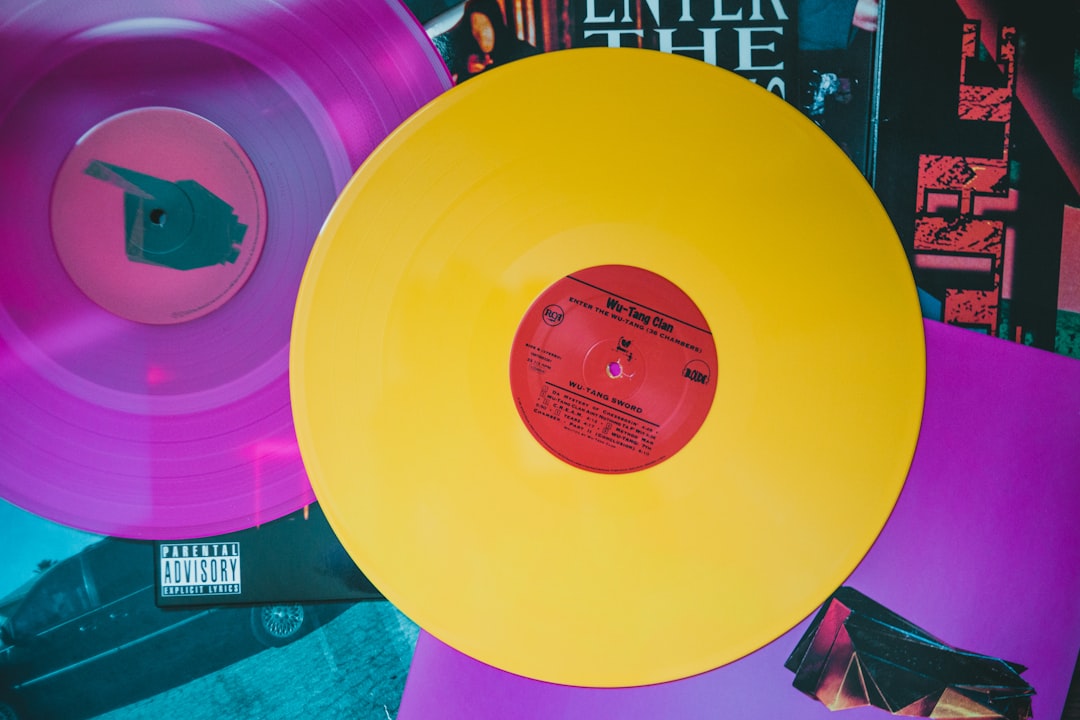
Digital habits may set the pace, but physical formats still change timing in ways people underestimate. Vinyl pressing schedules can push dates around. Cassette runs may open earlier than streaming. Special sleeves, bonus inserts, and merch bundles can all move the campaign forward or backward. In indie music, physical product is not a side note. It is part of the release plan.
That is because physical items have their own timeline. Artwork needs approval. Plants need lead time. Shipping windows need planning. If an artist wants the record, the bundle, and the announcement to land together, the campaign often has to be built months ahead. From the outside, the rollout may look relaxed. Behind the scenes, it is usually very ordered.
I also think physical editions give a release a body. A digital track can disappear from view after a few taps. A record on a shelf or a shirt on a merch table keeps the project visible. That visibility changes how people talk about the music. The release is no longer only a file in a feed. It becomes an object with weight, texture, and a date attached to it.
For fans, this means the calendar should include more than the streaming day. It should include the announcement of the physical edition, the close of the preorder window, the ship date, and any version changes along the way. That is especially true when an artist uses multiple variants to stretch the attention cycle. The whole point is to give the project more than one moment.
Here is the practical rule I use. If the physical format is just a copy of the digital release, it probably does not need much calendar attention. If the physical format changes the way the project is introduced, then it deserves its own place on the timeline.
A quick physical-format checklist
- Does the edition have a distinct visual identity?
- Does the preorder open before the main public date?
- Is there a separate ship date to track?
- Does the format change the way people experience the project?
- Will the physical item create a second round of attention later?
Touring, festivals, and local scenes still matter
A release calendar in 2026 makes more sense when it includes live dates. Touring still drives discovery. A festival slot can create a spike in interest. A small-room show can make a local audience feel invested before the wider internet even notices. Indie music is still one of the few areas where a live room can change the way a release moves online.
I pay close attention to whether a release sits before or after a tour run. If it lands before a tour, the songs can grow on the road and reach people through clips, word of mouth, and live reactions. If it lands after a tour, the campaign may be leaning more on recorded momentum and a stronger press push. Both approaches can work. They just ask for different timing.
Festival season adds another layer. Some artists want a song out before a festival set so the audience can recognize it. Others wait until after the run so the live performance becomes the first real introduction. Local scenes matter too. A band with a strong home base can use one good local cycle to build enough attention for the next step. That is still one of the most reliable paths in indie music.
The calendar is useful when it links the release to the room. Not every release needs a tour. Not every tour needs a big release. But the relationship between the two tells you a lot about what the artist is trying to do with attention. A date without live context is only half the picture.
When I track releases, I ask one more thing. Is this record trying to create a live identity, or is it mostly built for at-home listening? That answer changes how I think about the timing.
What labels and managers watch before they choose a date
Labels and managers are not only thinking about taste. They are thinking about timing, workload, competition, and the artist’s own energy. A release can be great and still land poorly if it is dropped into the wrong week. So the calendar becomes a balancing act between ambition and logistics.
One thing I see often is spacing around major industry moments. If a larger act is dominating the conversation, smaller teams may look for a cleaner lane. If festival season is full of noise, a quieter digital push may make more sense. If the artist is already traveling a lot, the rollout may need to be simpler and easier to manage. A date is never only a date. It sits inside the rest of the workload.
Labels also watch whether the audience is ready. Have listeners heard enough to care? Is the press angle clear? Is the visual identity strong enough to travel? Does the first single actually point toward the rest of the record? If the answer to those questions is weak, the team may wait. Often the smartest move is not to change the song. It is to change the order of the steps around it.
I think good managers earn their keep here. They know that timing is a relationship, not a slot on a spreadsheet. The relationship includes the artist’s schedule, the market’s noise level, the strength of the mailing list, and the likely response from core listeners. When those pieces line up, the rollout feels calm even if the work behind it is not.
If you are trying to understand the 2026 indie music release calendar from the outside, that is the hidden layer to keep in mind. The best dates usually look simple because a lot of decisions were made before the public ever saw them.

How fans can track releases without getting overloaded
No one can follow every indie release. I cannot, and I do not think anyone should pretend otherwise. The goal is not total coverage. The goal is to build a system that lets you notice the records that matter to you without turning listening into homework.
My own system is light. I keep a short list of artists I follow closely. I use one place for dates that matter. I let newsletters do some of the memory work. I also accept that I will miss things. A good record still survives if I hear it a week late. The point is to stay curious, not to build a perfect archive.
I think fans do better when they work in layers. The first layer is the weekly scan. What is landing now? The second layer is the deeper listen. Which project deserves a full album session? The third layer is the follow-up. Did the release lead to a video, a remix, a live performance, or a tour date? That structure keeps the calendar useful without making it feel endless.
There is also a difference between broad interest and deep interest. A listener who follows many scenes may only need a calendar to understand the shape of the month. A superfan may want every date, format, and side note. Both approaches are valid. What matters is that the calendar supports your habits instead of turning into a second job.
If you like sharing music, the calendar can help there too. A song that is still moving through its rollout is easier to talk about than a track you found months later on shuffle. You can point to the teaser, the physical edition, the live performance, or the second single. The timeline gives your recommendation a shape.
A fan-friendly tracking routine
- Check one weekly roundup and one direct source from an artist you care about.
- Mark the release dates that are actually relevant to your listening habits.
- Separate signal dates from final public dates.
- Save the records that keep rewarding repeat listens.
- Ignore the rest without guilt.
That routine is simple on purpose. The more crowded the music world gets, the more useful simple habits become.
What the rest of 2026 may bring
If the first part of 2026 is any clue, the rest of the year will keep rewarding artists who understand pacing. The releases that stand out are likely to be the ones that know exactly what the calendar is for. Some will use one sharp moment. Others will unfold as a slow build of clips, live cuts, and small updates. A few will turn the rollout into a layered project where each step feels intentional.
I do not think the answer is more volume. Indie music already has enough noise. The better move is clarity. A release plan that knows what it is trying to do will usually outlast one that tries to do everything. Fans can feel that difference. So can editors, playlist teams, and the artist community around the project. Clarity makes the calendar legible.
For listeners, the work is simpler than it looks. Follow the artists who matter to you. Track the dates that actually matter. Let the rest pass by without guilt. Good music will keep arriving, and a workable system will help you catch enough of it to stay excited. That is the real value of the 2026 indie music release calendar. It turns a flood of dates into a pattern you can live with.
As the year keeps moving, the smartest releases will not be the loudest ones. They will be the ones that understand timing, respect attention, and leave enough room for the music to breathe after the first wave has passed. That is what I keep coming back to when I read the calendar.